
MS Biotechnology
The Master of Science (MS) Biotechnology is a postgraduate 2 year program that bridges the gap between biology and technology. A Bachelors in Biotechnology builds a foundational knowledge in cellular biology, genetics, biochemistry, and microbiology , Masters in Biotechnology takes things deeper.
By the critical insights of Biotechnology into living organisms and their functions, biotechnology improves our health, increases food production to cope up with the expanding global population, safeguards the environment, and advances scientific understanding.
It explores the practical use of biological systems and organisms to create products, technologies, to solve various biological issues such as and systems that enhance human health and society.
In an MS program, you not only examine theory but also acquire practical experience with advanced tools such as CRISPR gene editing, bioinformatics data analysis, bioprocessing, and recombinant DNA technology. It causes a science graduate to turn into a proficient researcher or industry-prepared expert able to tackle intricate biological issues.
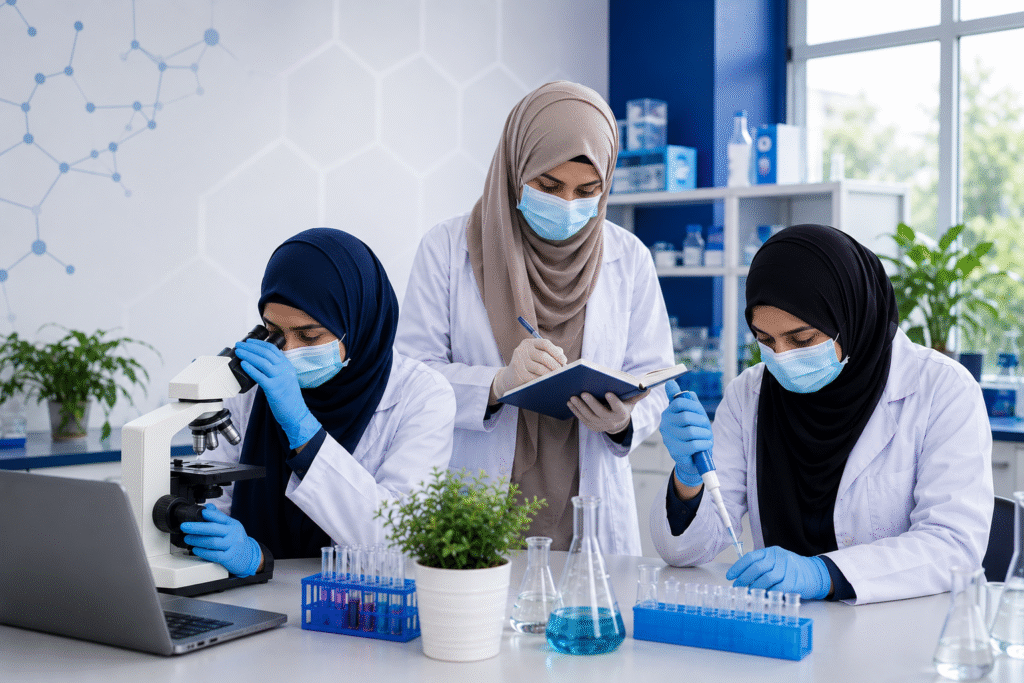
WHO IS ELIGIBLE ?
The diverse nature of biotechnology is one of its best features. Students with a 16-year bachelor’s degree in any of the following subjects are often eligible to apply:
- Biotechnology and biochemistry: Themost straightforward route is biotechnology and biochemistry, which offer a solid foundation in molecular mechanisms and laboratory methods.
- Microbiology and Genetics: Students studying Microbiologyand Genetics have perfect backgrounds because biotech research is based on a grasp of microorganisms and genetic codes.
- Zoology and botany: Students studying traditional life sciences who want to switch to contemporary, application-based molecular sciences.
- Pharmacy (Pharm-D/B.Pharm): Highly relevant , particularly for students who want to work in pharmacology, medication development, and pharmaceutical research.
- Biomedical Engineering: Great for individuals who focuses on blending engineering principles with biological systems to create medical devices or biomaterials.
- Agriculture & Environmental Sciences: Perfect for those who want to pursue in plant biotechnology, bio-fertilizers, and sustainable ecosystems.
You are eligible to pursue an MS in Biotechnology if your previous education background includes:
- BS Biotechnology
- Biochemistry
- Botany
- MMG (Microbiology and Molecular genetics)
- Environmental Biotechnology
- Bioinformatics
- Molecular Biology
- General Biology
- Zoology
- Agricultural Sciences
- Forensic Sciences
- Pharm-D
- Medical Lab Technology
- Veterinary Sciences
- Genetics
- Biomedical Engineering
- Nutrition
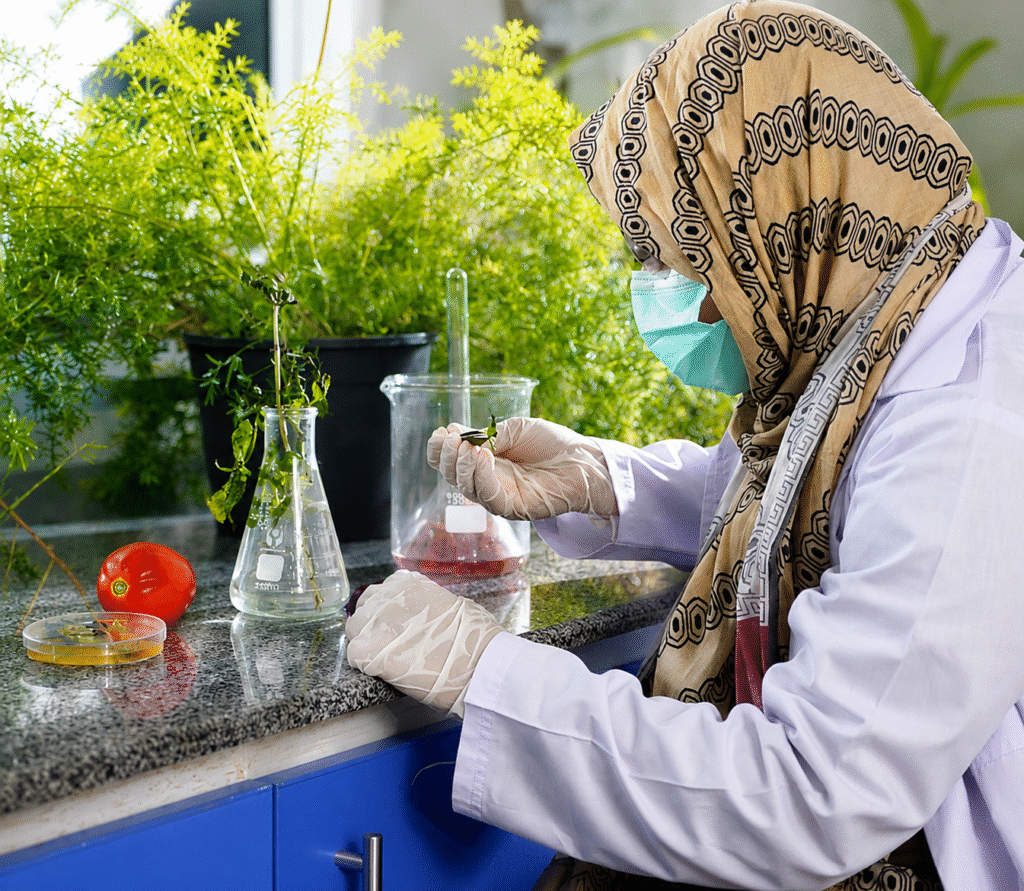
Career Opportunities :
Biotechnology is a multidisciplinary field .Graduates pursue roles in research and development, quality control, regulatory affairs, or product management across biotech companies and related sectors. As global challenges like climate change, food security, emerging diseases, and healthcare demands emerge rapidly, the world desperately needs biotech innovators. Here are the further career opportunities for biotechnologist :
1. Healthcare and Pharmaceuticals
Biotech graduates play a vital role in vaccine development, cancer research, monoclonal antibody production, and personalized medicine. With gene therapies becoming a reality, the pharmaceutical sector heavily recruits MS graduates for research and development (R&D) and clinical trials.
2. Agriculture and Food Industry
Agricultural biotechnologists work on genetically modified crops that resist pests, tolerate drought, and offer higher nutritional value. The food industry also relies on biotech for fermentation processes, food safety testing, and enzyme production.
3. Environmental Sustainability
Biotechnologists design bio-fuels, utilize microbes for bioremediation (cleaning up oil spills and toxic waste), and develop biodegradable plastics to replace traditional petrochemical packaging.
4. Bioinformatics and Data Analytics
It involves the integration of artificial intelligence with genomics. There is high demand for bioinformaticians who can analyze massive genetic datasets. Along with demonstrating their relevent experience in biological data analysis , candidates with strong computational or mathematics training can get the opportunity.
5. Academia
After MS Biotechnology you can pursue for PhD , doing the teaching in any public / private colleges and universities.
6. Advanced Research
You can work as a research scientist in government institutions, private laboratories, or universities, pushing the boundaries of human knowledge.
7. Engineering Disciplines: Programs often welcome applicants from biomedical, chemical, and bioengineering backgrounds.
For more details ,click here.